Nicola Willis announced her third Budget last week, and credit where credit is due. The fiscal responsibility message has finally landed, and Willis has shown a credible pathway back to surplus this decade.
Getting the books back to black matter because without it, the debt clock will keep ticking up every year.
But here's something the media won't tell you: even with a surplus in 2030, Government debt is still set to keep climbing.
In fact, even though this is the most responsible Budget we've seen yet from the Government, debt will still be almost $1 billion higher by 2030 than Treasury forecast only 6 months ago.
If the Budget is fiscally responsible, why are we borrowing more?
By 2030, your household's share of government debt is set to hit $162,000. In Grant Robertson's last full year as Finance Minister, that was $116,000. And as recently as 2008, your family's share was only $29,000.

The debt keeps climbing despite the surplus because the Government has shuffled spending around. Rather than spending that money keeping the lights on (and the bureaucrats paid) like planned, it's now been set aside for 'capital spending'.
That means investment in roads, rail, hospitals, and other infrastructure projects.
Better spending is still spending...
Now don't get me wrong, the government investing your money in infrastructure is a step up from wasting it on day-to-day spending, but that's not the same as reducing spending.
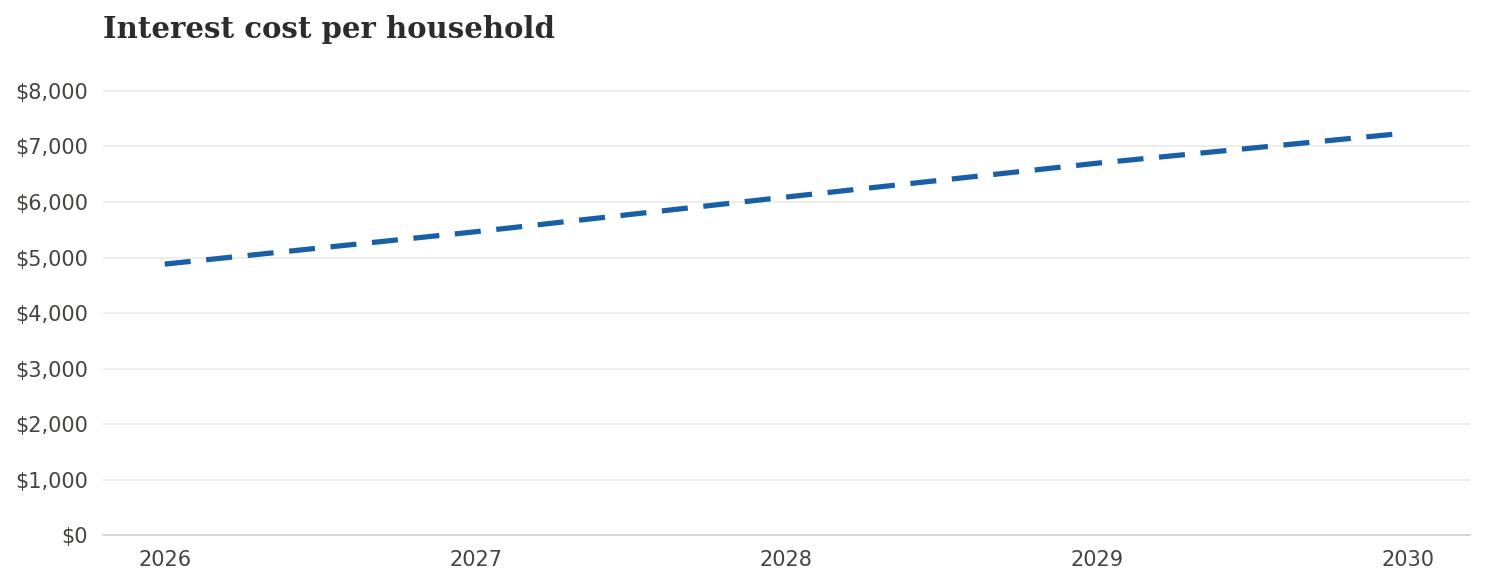
We're still living beyond our means, with another $21,000 per household going on the taxpayer credit card between now and the end of the decade. That's not free, and by 2030 the $7,000-per-household interest bill will cost New Zealand more on interest than the budgets of primary and secondary schools, the police and the Ministry of Justice combined!
The real worry is that those investments are only worth making if they benefit New Zealanders more than they cost. But that's where we're falling way behind.
We're in the top ten percent of developed countries for the amount we spend on infrastructure, putting us way ahead of the curve. But we're in the bottom ten percent for the bang-for-buck we get from that money.
So the tens of thousands of dollars each we're on the hook for borrowing might not even wash its own face.
Surplus is fine, but it's the debt that matters
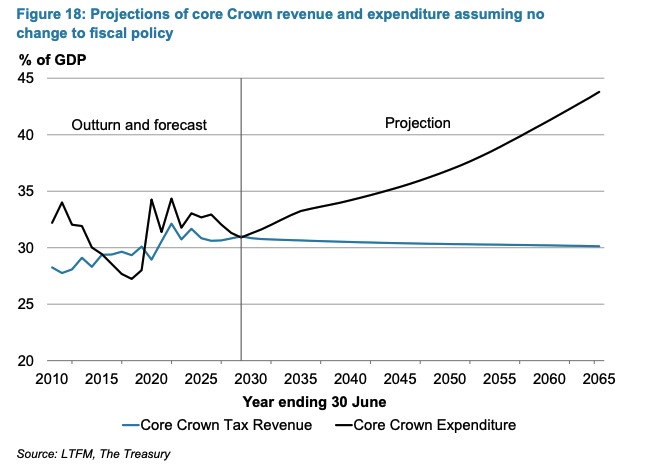
Back in September, Treasury showed on then then-current track, by 2065 our government debt pile would be more than twice the size of the whole economy. Treasury Secretary Iain Rennie also bluntly explained what would happen if we didn't start tackling debt soon:
"This could involve more drastic policy adjustments in the future than necessary [...]. There are real economic and social costs to delayed reform."
Well, rather than slowing down, this Budget has sped up the rate we're borrowing.
Willis has to find the savings somewhere
This is election year, and for an election-year Budget the Government have been more restrained than they could've been.
There wasn't a massive lolly-scramble of gimmes and handouts. But it is starting from a very dangerous place, and we're a long way away from a responsible approach to racking up debt.
Even after this Budget, the government is still borrowing more and more every time we open the books. The debt clock keeps ticking. And it's our kids and grandkids who will suffer.
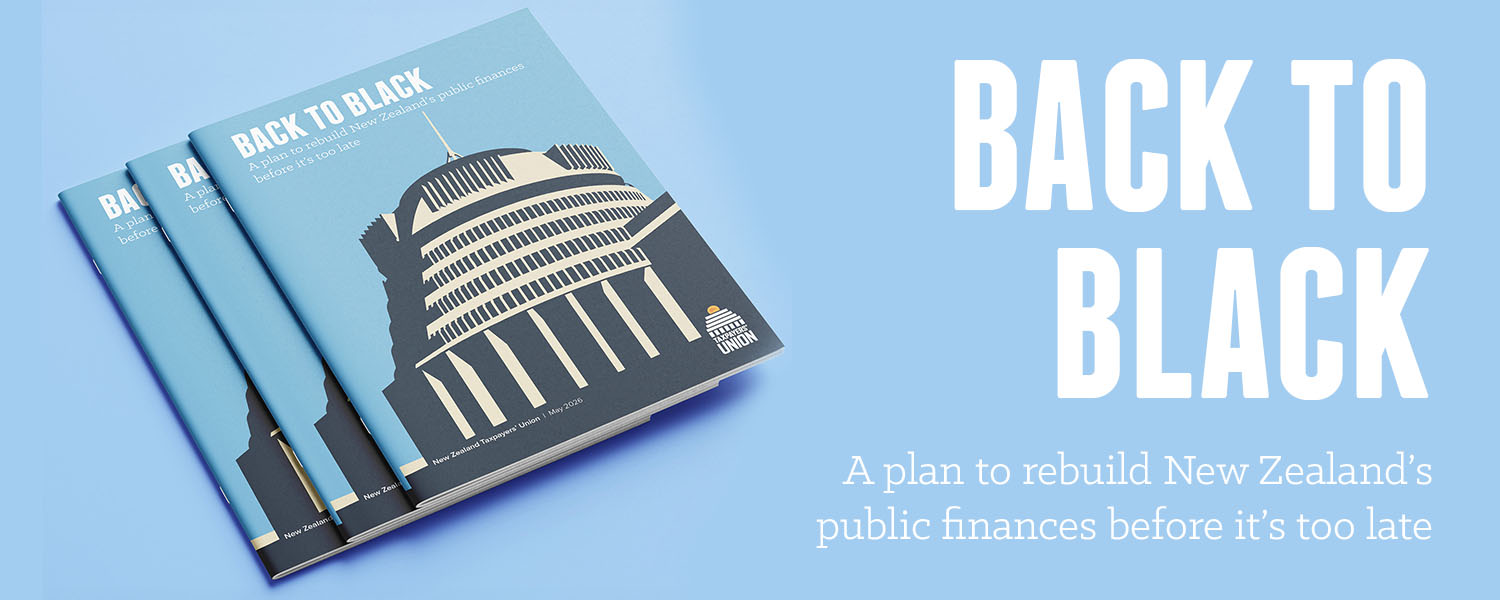
The savings are there to wipe out the deficit tomorrow, not 4 years down the road. In Back to Black, we've found $59 billion in savings over the same period, and $104 billion in assets we could put to use paying down debt.
It's perfectly possible to stop running the country on the credit card. The question is does Nicola Willis have the political will to make it happen?


